

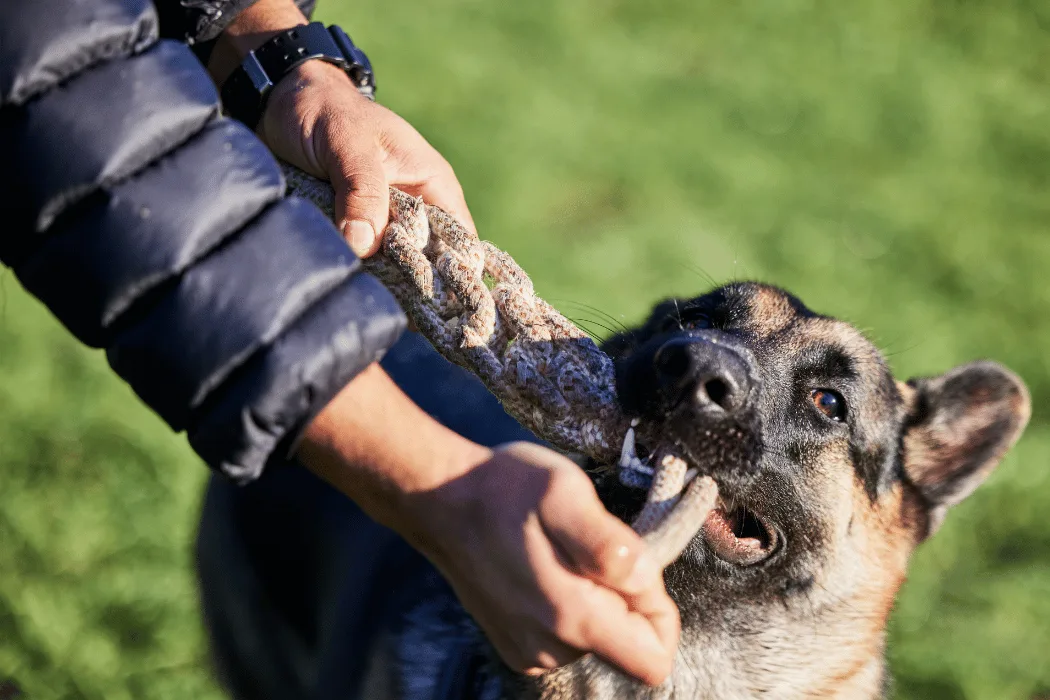
Dog bites can happen unexpectedly and often leave victims dealing with physical injuries, emotional trauma, and financial burdens. Whether the bite is minor or severe, taking the appropriate steps immediately after the incident is essential for protecting your health, preserving evidence, and safeguarding your legal rights. Understanding what to do after a dog bite can make a significant difference in your recovery and any potential legal claim.
Seek Immediate Medical Attention
The first and most important step after a dog bite is to seek medical attention. Even if the wound appears minor, dog bites can lead to serious infections and complications. Dogs carry bacteria in their mouths that can enter the body through broken skin, increasing the risk of infection.
Wash the wound carefully with soap and water as soon as possible. Apply an antiseptic and cover the injury with a clean bandage. However, first aid should never replace professional medical care. A healthcare provider can properly evaluate the injury, determine whether stitches are needed, and recommend treatments such as antibiotics or vaccinations.
If the bite is severe, causes excessive bleeding, or affects sensitive areas such as the face, neck, hands, or eyes, seek emergency medical treatment immediately.
Identify the Dog and Its Owner
After ensuring your immediate safety, try to identify the dog and its owner. Obtain the owner’s name, address, phone number, and any available information regarding the dog’s vaccination history.
Knowing whether the dog has received vaccinations, particularly for rabies, is important for determining your medical treatment needs. If the dog owner is present, remain calm and avoid confrontation while gathering information.
If the dog is a stray or the owner cannot be identified, report the incident to local animal control authorities as soon as possible. This may help prevent future attacks and assist in locating the animal.
Document the Incident Thoroughly
Proper documentation can play a critical role if you decide to pursue compensation for your injuries. Begin collecting evidence as soon as possible after the incident.
Take photographs of:
- The bite wounds and injuries
- Torn or bloodstained clothing
- The location where the attack occurred
- Any visible signs of the dog’s behavior or surroundings
Continue taking photos throughout the healing process to document changes in your condition. Detailed records can help demonstrate the severity of your injuries and the impact on your daily life.
Gather Witness Information
If anyone witnessed the dog bite incident, ask for their contact information. Witnesses may be able to provide valuable statements regarding how the attack occurred and who was responsible.
Independent witness testimony can strengthen your case by providing an unbiased account of the events. Be sure to collect names, phone numbers, email addresses, and any relevant observations they may have regarding the incident.
Report the Dog Bite
Reporting the incident to local authorities is an important step that many victims overlook. Depending on your location, you may need to contact animal control, public health officials, or local law enforcement.
An official report creates a documented record of the attack and may help establish liability. Authorities may also investigate whether the dog has a history of aggressive behavior or previous attacks.
Additionally, reporting the bite can help protect others from potential future incidents involving the same animal.
Keep Detailed Medical Records
Medical records are among the most important pieces of evidence in a dog bite claim. Maintain copies of all documents related to your treatment, including:
- Emergency room visits
- Doctor consultations
- Prescription medications
- Physical therapy sessions
- Surgical procedures
- Diagnostic tests
These records help demonstrate the extent of your injuries and the costs associated with your recovery. They can also support claims for future medical treatment if ongoing care is required.
Track All Expenses and Losses
Dog bite injuries often result in more than just medical bills. Victims may miss work, require rehabilitation, or experience lasting emotional trauma.
Keep records of all expenses related to the incident, including:
- Medical costs
- Transportation expenses for treatment
- Lost wages
- Therapy or counseling expenses
- Home care assistance
- Property damage
Maintaining organized financial records can help ensure that all damages are properly considered if you pursue compensation.
Avoid Discussing Fault
After a dog bite incident, avoid making statements that could be interpreted as accepting blame. Even casual comments can sometimes be used against you during insurance or legal proceedings.
Stick to the facts when speaking with authorities, medical professionals, insurance representatives, and the dog owner. Avoid speculation regarding how the incident occurred or who may be responsible.
Allow investigators and legal professionals to determine liability based on the available evidence.
Understand Your Legal Rights
Dog bite laws vary by state and jurisdiction. In many areas, dog owners may be held responsible when their pets cause injuries to others. Victims may be entitled to compensation for:
- Medical expenses
- Future medical treatment
- Lost income
- Reduced earning capacity
- Pain and suffering
- Emotional distress
- Permanent scarring or disfigurement
Understanding your legal rights can help you make informed decisions regarding your next steps after an attack.
Consult an Experienced Dog Bite Lawyer
Dog bite cases can involve complex legal and insurance issues. Consulting with an experienced dog bite lawyer can help you understand your options and determine whether you have a valid claim.
A lawyer can investigate the incident, gather evidence, negotiate with insurance companies, and advocate for fair compensation on your behalf. They can also help ensure that important deadlines are met and that your rights are fully protected throughout the legal process.
Many victims underestimate the long-term impact of dog bite injuries. Legal guidance can help ensure that all current and future damages are properly evaluated before accepting any settlement offer.

Final Thoughts
A dog bite incident can be physically painful, emotionally distressing, and financially challenging. Taking immediate action after an attack is essential for protecting your health and preserving your legal rights. Seeking medical care, documenting the incident, gathering evidence, reporting the attack, and consulting with a qualified lawyer can all contribute to a stronger recovery and potential legal claim.
At Easy Legal Information, we believe that understanding your rights is the first step toward achieving justice. By following these important steps, dog bite victims can better protect themselves and make informed decisions about their future.